
Diabetic Eye Checkup & Retinopathy Screening
Why Diabetic Eye Care Demands Routine Specialist Screening
Diabetes mellitus is a systemic metabolic condition that directly impacts the microvascular network of the human body. Because the retina is one of the most metabolically active tissues and relies entirely on micro-capillaries for oxygenation, sustained high blood glucose levels can silently damage these fragile vessels long before you experience any visual disturbance.
At My Vision Eye Clinic on Sarjapur Main Road, Dr. Rinku Das (MBBS, MS Ophthalmology, FIAS, FIG) conducts detailed clinical diabetic eye evaluations. Serving residents across Kaikondrahalli, Bellandur, Haralur, Kasavanahalli, and surrounding Southeast Bengaluru communities, our goal is clear: detect early vascular changes, evaluate macular integrity, and coordinate with your physician to prevent irreversible vision impairment.
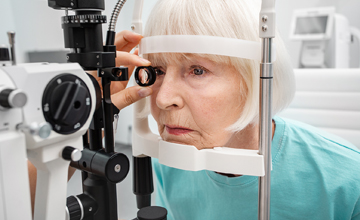
How Diabetes Affects the Eyes: Understanding the Stages
Diabetic ocular complications develop progressively. Understanding these stages reinforces why regular screening cannot be deferred until vision drops:
1. Non-Proliferative Diabetic Retinopathy (NPDR)
In this initial stage, high blood glucose weakens capillary walls, causing tiny balloon-like outpouchings called microaneurysms. These may leak fluid and blood into the retinal layers (dot-and-blot hemorrhages), causing subtle structural changes that are completely invisible without a dilated fundus exam.
2. Diabetic Macular Edema (DME)
DME occurs when leaking capillaries allow fluid and lipid deposits to accumulate in the macula—the precise central area of the retina responsible for sharp, straight-ahead vision (reading, driving, and recognizing faces). DME is the leading cause of moderate to severe vision impairment among diabetic individuals.
3. Proliferative Diabetic Retinopathy (PDR)
As retinal capillary closure widens, large zones of the retina become deprived of oxygen (ischemia). In response, the eye produces growth factors that trigger neovascularization—the proliferation of abnormal, fragile new blood vessels. These vessels readily rupture, spilling blood into the vitreous humor (vitreous hemorrhage) or creating scar tissue that can lead to tractional retinal detachment.
4. Accelerated Cataract & Secondary Glaucoma
Glucose accumulation inside the crystalline lens converts to sorbitol, causing osmotic changes and premature lens clouding. Diabetics also carry a significantly elevated risk of open-angle glaucoma and neovascular glaucoma due to impaired drainage mechanisms.
The 5-Step Clinical Diabetic Eye Evaluation Protocol
At My Vision Eye Clinic, a diabetic eye examination is never limited to a standard glasses power test. Dr. Rinku Das performs a multi-step clinical assessment:
-
1
Digital Visual Acuity & Refraction:
Measuring baseline distance and reading vision sharpness to detect refractive shifts caused by fluctuating blood sugar.
-
2
Slit-Lamp Anterior Segment Biomicroscopy:
Careful microscopic inspection of the cornea, anterior chamber, iris, and crystalline lens to rule out early diabetic cataract or abnormal iris vessel growth (rubeosis iridis).
-
3
Intraocular Pressure (Tonometry):
Accurate measurement of intraocular pressure to identify pressure elevations that may compound diabetic optic nerve vulnerability.
-
4
Pharmacological Pupillary Dilation:
Administering medical dilating drops to widen the pupil, ensuring that peripheral retinal zones can be visualized clearly.
-
5
Stereoscopic Dilated Fundus Examination:
Utilizing high-magnification condensing lenses (90D/78D) and indirect ophthalmoscopy to scrutinize the optic disc, retinal vessels, and macula for microaneurysms, hemorrhages, exudates, and edema.
Preparing for Your Dilated Eye Examination
To ensure a seamless clinic visit, please note the following practical guidelines:
- Dilation Duration: The drops require approximately 20 to 30 minutes to achieve full dilation. Your total appointment time will be around 45 to 60 minutes.
- Temporary Blurriness: Your close-up vision will remain blurred and reading will be difficult for 2 to 4 hours following dilation.
- Light Sensitivity: Dilated pupils let in more ambient light. We strongly recommend bringing dark sunglasses for your return journey.
- Transportation: Because driving or riding a two-wheeler with dilated pupils can be hazardous, please arrange cab transportation or have a family member drive you.
- Medical Records: Please bring your latest blood glucose readings (Fasting, Post-Prandial, and HbA1c values) and current medication list.
When Should You Schedule an Evaluation?
| Patient Category | Recommended Screening Timeline |
|---|---|
| Type 2 Diabetes (Newly Diagnosed) | Immediately upon diagnosis, and at least once every 12 months thereafter. (Type 2 diabetes often goes undetected for years before diagnosis). |
| Type 1 Diabetes | Within 3 to 5 years of diagnosis, followed by annual examinations. |
| Pregnancy with Pre-existing Diabetes | Prior to conception or early in the first trimester, with close trimester-wise follow-up. |
| Known Retinal Changes / DME | Every 3 to 6 months, or as specifically advised by Dr. Rinku Das based on disease severity. |
Urgent Symptoms: Do Not Wait for Your Annual Checkup
If you experience any of the following acute symptoms, seek immediate ophthalmological evaluation:
- Sudden shower of new dark spots, cobwebs, or floating threads
- Unexplained blurred or fluctuating vision not cleared by blinking
- Dark or blank areas in the center or periphery of your visual field
- Sudden loss of vision in one eye, even if painless
- Straight lines appearing distorted, bent, or wavy
Frequently Asked Questions: Diabetic Eye Care
Schedule Your Diabetic Eye Evaluation Today
Protect your vision from silent microvascular damage. Consult Dr. Rinku Das at My Vision Eye Clinic, Kaikondrahalli, Sarjapur Main Road (opposite Fire Station, behind Anand Sweets).